Temporary Dentures in Hobart
We provide full and partial dentures, repairs and relining for patients in and around Hobart — focused on comfort, function and results that support your long-term oral health.
Support While
Your Mouth Changes
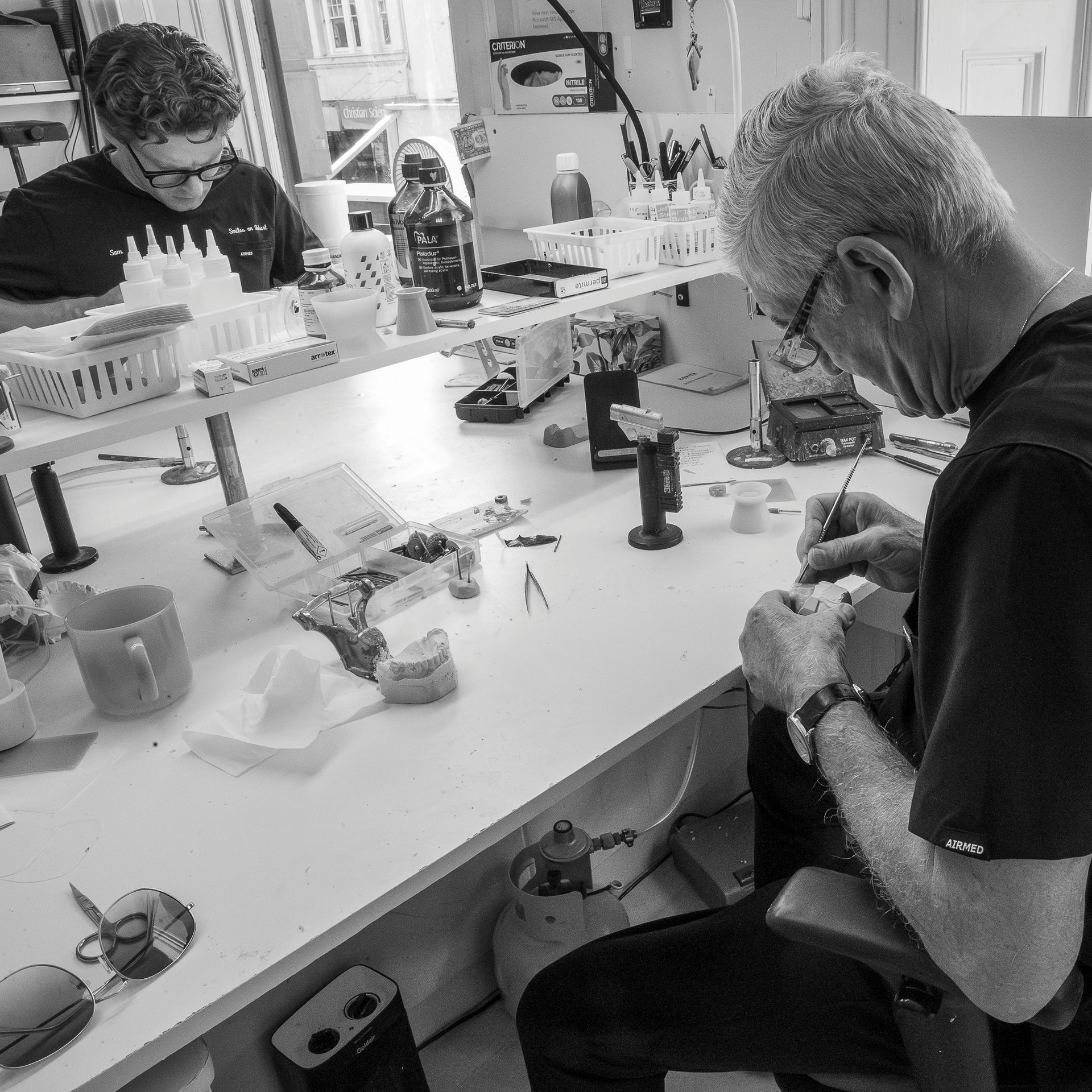
There are times when your mouth is in transition — after extractions or before a final denture is ready, you still need something in place. At Smiles On Hobart, we provide temporary dentures for Hobart patients who require short-term support for function and appearance during these periods while their full or partial dentures are being made.
These dentures are shaped to suit your current stage of healing, helping you maintain everyday activities while your mouth settles. They're often used alongside treatments such as denture relining as part of a staged approach.
- Maintains appearance while gums heal and settle
- Allows basic function during transitional stages of treatment
Temporary dentures are not intended as a long-term option, but they play an important role in continuity of care. Contact us on 0478 686 077 or book online to arrange your consultation.
Designed For
Transitional Use
Temporary dentures are created with the understanding that your mouth will continue to change. After extractions or other procedures, the shape of your gums can shift quite quickly, which means a permanent denture made too early may not fit correctly later on. A temporary appliance allows time for these changes to occur while still providing a level of stability for speaking and eating.
Adjustments are sometimes required during this period to maintain comfort as healing progresses. This step-by-step approach supports a more accurate long-term result.
Moving Towards A Final Fit
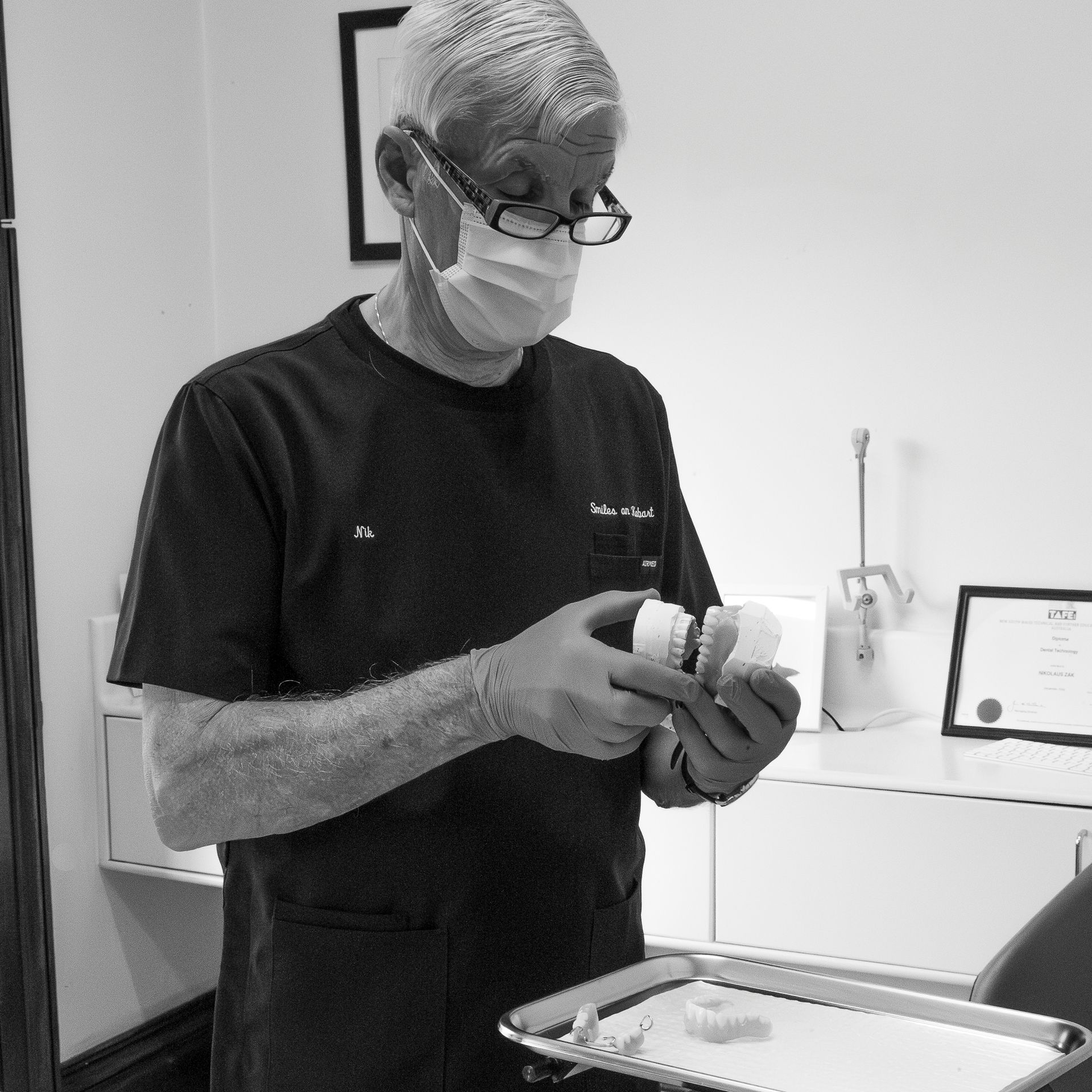
As healing progresses, the role of temporary dentures becomes clearer — they provide a bridge between treatment stages rather than a final outcome. Over time, you may notice changes in fit as your gums settle, which is expected.
The focus then shifts to planning your long-term denture, taking into account how your mouth has changed. This allows the final denture to be shaped more precisely for stability and function. Temporary dentures support this process by allowing everyday life to continue while these changes take place.
Transitional Support
Ongoing Adjustments
Planned Progression
Talk To Our Team Today
Book an appointment to discuss how our temporary dentures fit into your overall treatment plan.
Contact Us
Thank you for contacting Smiles On Hobart.
We will get back to you as soon as possible.
Oops, there was an error sending your message.
Please try again later.
FAQ
How long are temporary dentures typically worn?
Temporary dentures are usually worn during the healing phase following extractions or other dental procedures. This period can vary depending on the individual, but it often lasts several months while the gums and underlying bone settle into a more stable shape.
The exact timeframe depends on how quickly healing occurs and whether additional treatment is required. During this stage, the denture may need adjustments to maintain comfort.
Temporary dentures are not intended for long-term use, but they provide an important function until a more permanent solution can be fitted.
Will temporary dentures need adjustments during healing?
Yes, it is common for temporary dentures to require adjustments as healing progresses. After extractions, the gums can change shape relatively quickly, which may affect how the denture fits.
These changes can lead to looseness or areas of pressure if not addressed. Adjustments or relining can help maintain a better fit during this period.
Regular review allows these changes to be monitored and managed effectively. This ongoing process supports comfort while ensuring the denture continues to function as expected throughout the healing phase.
Can I eat normally with temporary dentures?
Eating with temporary dentures is possible, though some adjustments are usually needed at first. Softer foods are typically recommended during the initial stages, with a gradual return to a more varied diet as comfort improves.
Because the fit may change during healing, certain foods may feel more difficult at times. Cutting food into smaller pieces and chewing evenly can help manage this.
While temporary dentures restore some level of function, they may not provide the same stability as a permanent denture, particularly in the early stages.



