Same-Day Denture Relining in Hobart
We provide full and partial dentures, repairs and relining for patients in and around Hobart — focused on comfort, function and results that support your long-term oral health.
Restoring A Proper Fit
A denture that once fit well can gradually lose its stability as the underlying gums change. At Smiles On Hobart, we provide partial denture relining for Hobart patients who require a more accurate and comfortable fit without replacing the entire appliance. This process involves reshaping the internal surface of the denture so it aligns with your current oral structure. The result is improved stability during eating and speaking, along with reduced irritation. Partial dentures and full dentures both benefit from this type of adjustment as part of ongoing care.
- Improves overall contact between denture and gum tissue
- Reduces uneven pressure that may cause discomfort
Relining offers a practical way to restore function and comfort. Contact our team on 0478 686 077 or book online to arrange your appointment.
Understanding Changes In Fit
Changes in the shape of your gums and jawbone are a natural part of wearing dentures over time. As these structures adapt, the original fit of the denture can become less precise, leading to movement or areas of increased pressure.
Partial denture relining addresses this by rebuilding the internal surface to match your current anatomy. This helps maintain a more stable and balanced fit, particularly when the denture itself remains in good condition.
In certain cases, denture repairs may also be required if wear or minor damage is present. Addressing these changes early helps maintain comfort and function.
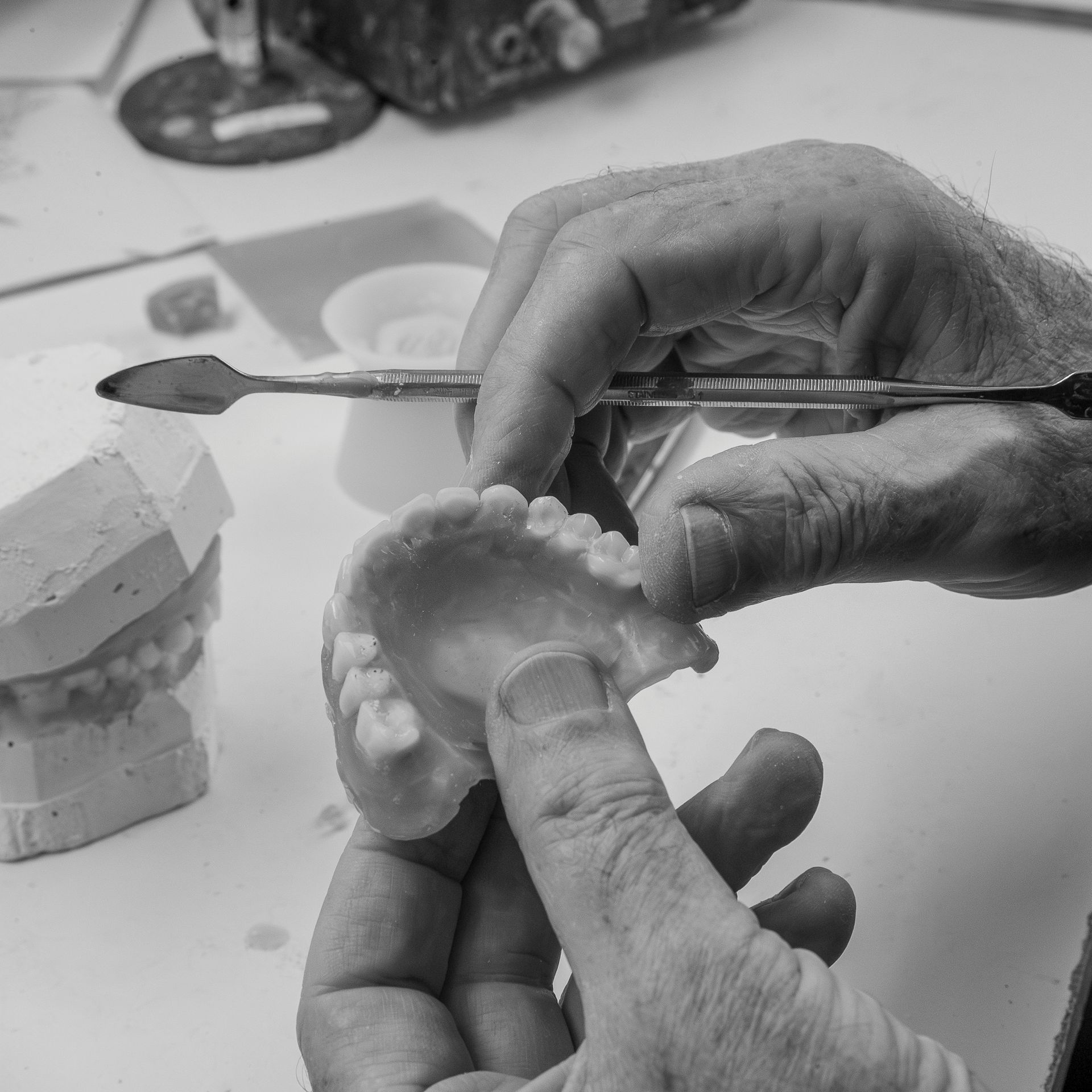
What the Process Involves?
- Removing some of the plastic from the fitting surface of your denture
- Placing a layer of soft impression material onto this trimmed surface
- Re-positioning inside your mouth to take an impression of your gums
- Using this accurate impression to create a new hard or soft base
Our denture relining in Hobart can significantly improve your quality of life for eating and talking. A well-fitted denture to your current mouth is more likely to be comfortable for hours of wear and far less likely to fall out from everyday tasks. Whether your dentures are beginning to feel like the wrong shape, or it’s just been a while since your last check, here are some advantages of relining:
- A comfortable fit that’s less noticeable when eating or talking
- Reduced risk of friction sore or pain from ill-fitting dentures
- A proper fit that makes everyday activities easier
- Less chance of your dentures falling out, leading to less accidental damage
Supporting Long-Term Comfort
A well-fitted denture plays an important role in daily comfort and oral health. Following relining, patients often notice improved stability, making routine activities such as eating and speaking more manageable.
For those with partial dentures, a secure fit also helps protect remaining teeth by distributing pressure more evenly. Temporary dentures may also require relining as the gums settle after treatment. Ongoing review allows any changes to be addressed promptly, helping maintain a consistent fit over time.
Improved Stability
Consistent Fit
Enhanced Comfort
Book With Us Today
If your dentures no longer feel as secure as they should, arrange an appointment to determine if relining is appropriate.
Contact Us
Thank you for contacting Smiles On Hobart.
We will get back to you as soon as possible.
Oops, there was an error sending your message.
Please try again later.
FAQ
Can relining fix sore spots caused by my denture?
Relining can often reduce or eliminate sore spots by improving how the denture distributes pressure across your gums. When a denture no longer fits properly, certain areas may take on more force than others, leading to irritation.
By reshaping the inner surface, relining creates a more even fit that reduces these pressure points.
However, if sores are caused by other issues such as sharp edges or damage to the denture, additional adjustments may be needed. Addressing the cause early can prevent ongoing discomfort and help maintain better overall oral health.
How long does a denture reline typically last?
The lifespan of a reline depends on how quickly your gums and bone structure continue to change. For many people, a reline can last several years, though gradual changes may still occur over time.
Factors such as weight loss, ageing or underlying health conditions can influence how long the improved fit remains comfortable. Regular check-ups help monitor these changes and determine when another adjustment might be needed.
While relining can extend the life of a denture, it’s not a permanent fix and may need to be repeated as your mouth continues to evolve.
Can I keep using denture adhesive after a reline?
After a successful reline, many people find they no longer need adhesive or use significantly less of it. The improved fit should allow the denture to sit more securely on its own.
However, some patients may still choose to use a small amount for added confidence, especially during certain activities. If large amounts of adhesive are still needed after relining, it may indicate that further adjustment is required.
Adhesives shouldn’t be relied on to compensate for a poor fit long term, as they don’t address the underlying issue.



