
Partial Dentures in Hobart
We provide full and partial dentures, repairs and relining for patients in and around Hobart — focused on comfort, function and results that support your long-term oral health.
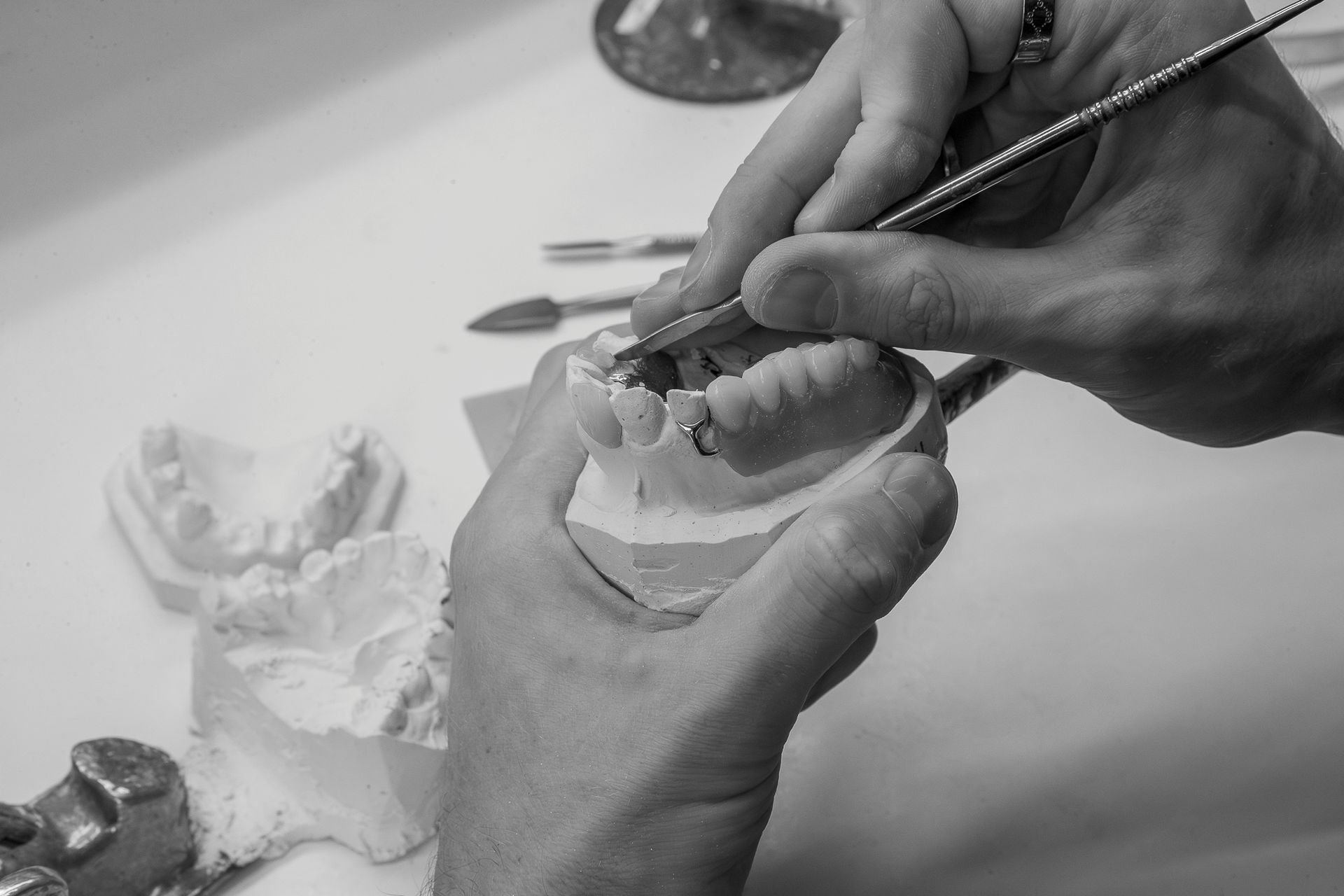
Designed Around Your Teeth
Missing teeth can shift how everything feels — from chewing on one side to noticing changes in your speech. At Smiles On Hobart, we provide partial dentures for Hobart patients who want to restore balance without replacing what’s still healthy. These dentures are designed to sit alongside your natural teeth, supporting your bite while keeping things stable throughout the day.
- Designed to work with your natural teeth
- Built for balance and everyday comfort
- Shaped to suit your bite and structure
We look closely at how your remaining teeth are positioned so the final result feels integrated, not separate. It’s about restoring function in a way that feels considered and natural, rather than forced. With the right approach, partial dentures can blend in seamlessly and make everyday tasks easier again. Contact our clinic on 0478 686 077 or book online to schedule an appointment.
Working With What’s There
Partial dentures rely on what remains, which means every design is a bit different. The goal is to support your existing teeth while filling the gaps in a way that doesn’t place unnecessary strain on them. Partial dentures can take several weeks to be fabricated, while full dentures require a longer process.
A well-designed partial won’t just sit there — it works with your mouth, helping maintain alignment and reducing the risk of further movement over time. Materials also play a role, with options that balance strength and comfort depending on your needs.
When everything lines up properly, the denture feels less like an addition and more like part of your natural setup.
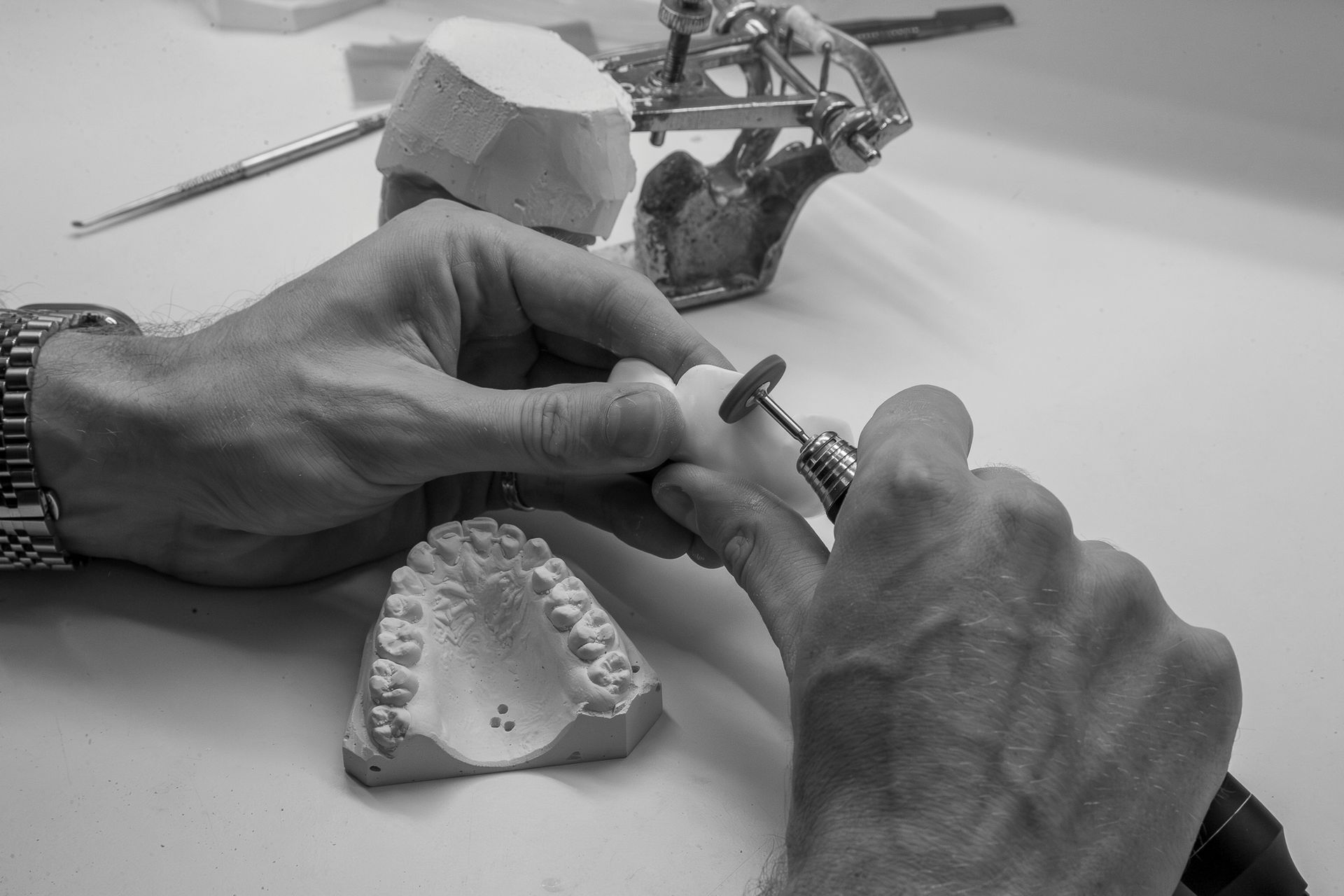
Living With Partial Dentures
There’s usually a short adjustment period, but partial dentures tend to feel familiar fairly quickly since they work around your natural teeth. You might notice small changes at first when eating or speaking, though these often settle as your mouth adapts. Keeping them clean is important, especially around the areas where they connect to existing teeth.
Regular check-ups help monitor both the denture and the health of the surrounding teeth, which play a key role in long-term comfort. If something starts to feel off, it’s worth addressing early. A simple adjustment, repair or reline can often restore that balanced feel and keep everything working as it should.
Natural Integration
Tooth Support
Stable Fit
Contact Us Today
Book a consultation to see how partial dentures can restore comfort, support your remaining teeth and make everyday eating and speaking feel easier again.
Contact Us
Thank you for contacting Smiles On Hobart.
We will get back to you as soon as possible.
Oops, there was an error sending your message.
Please try again later.
FAQ
How do partial dentures stay in place without affecting nearby teeth?
Partial dentures are designed to anchor gently to existing teeth using clasps or precision attachments, depending on the design. These supports are positioned to minimise strain while keeping the denture stable during normal use.
The aim is to distribute pressure evenly so no single tooth carries too much load. When designed properly, they should not damage surrounding teeth, though ongoing care is important.
Regular cleaning and check-ups help maintain both the denture and natural teeth. A well-balanced partial denture supports function without compromising the long-term health of the teeth it relies on.
How do partial dentures help stop my remaining teeth from shifting?
Yes, one of the key roles of partial dentures is to help maintain spacing between natural teeth. When gaps are left unfilled, nearby teeth can gradually move into those spaces, which may affect alignment and bite.
A partial denture acts as a placeholder, helping keep everything in position while also restoring function. This can make a noticeable difference over time, especially when combined with good oral care.
While it doesn’t replace the role of orthodontic treatment, it does provide support that helps limit unwanted movement caused by missing teeth.
Will partial dentures affect how I eat?
There may be a short adjustment period when eating with partial dentures, especially when it comes to tougher or uneven foods. Starting with softer options and gradually reintroducing firmer textures can help build confidence.
Because partial dentures work alongside natural teeth, many people find they adapt more quickly compared to full dentures. Over time, chewing tends to feel more balanced, particularly if the denture restores areas that were previously difficult to use.
It’s still important to be mindful of very hard or sticky foods, which can place extra stress on the denture and its supports.
How long do partial dentures typically last?
The lifespan of partial dentures can vary depending on the materials used, how well they’re maintained and changes in the mouth over time. On average, they can last several years, though adjustments or relining may be needed along the way to maintain fit.
Natural changes in gum shape or tooth position can affect how the denture sits, which is why regular reviews are important. Proper cleaning and handling also play a role in longevity.
While the denture itself may remain intact, updates are sometimes required to keep it functioning comfortably and effectively.



